
Lifestyle
Best Reading Lamps: A Complete Guide to Choosing the Right Light for Comfortable Reading

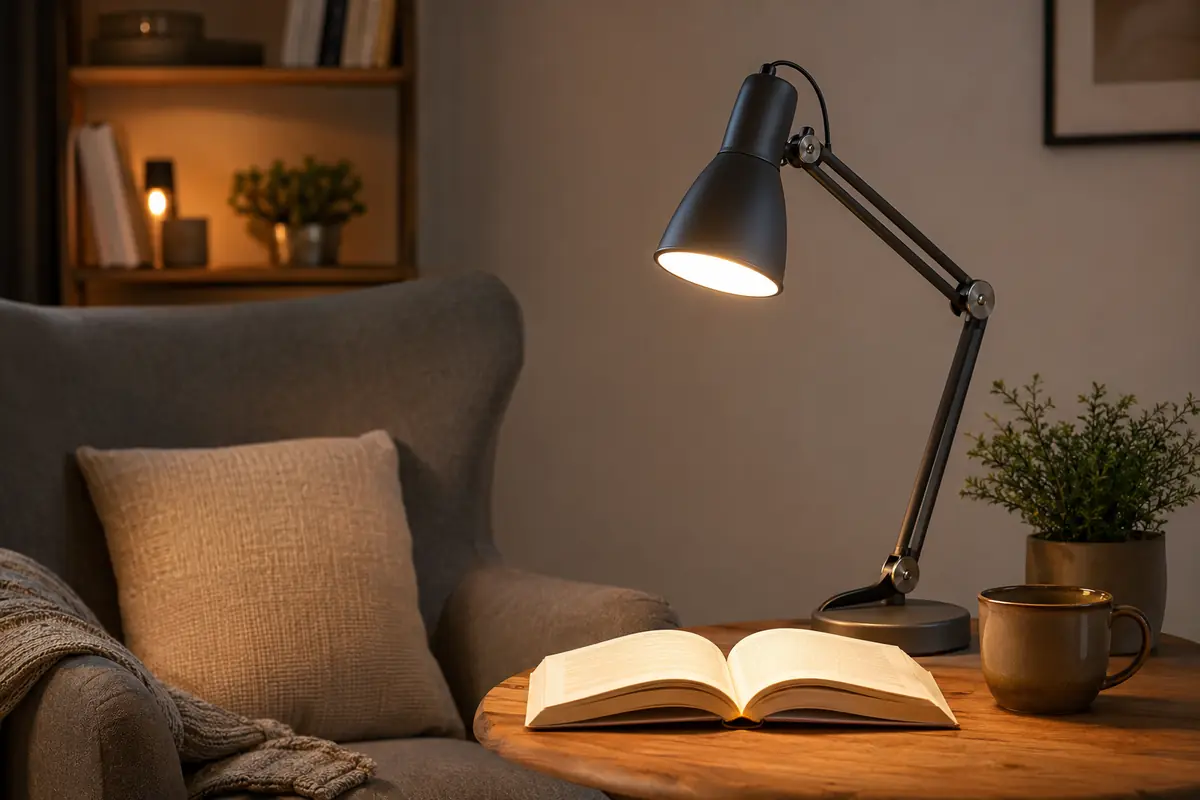
Good reading is not only about a comfortable chair and an interesting book. The light around you plays a major role in how long you can read without feeling tired. Poor lighting can make your eyes work harder, especially when you read small text, study at night, or spend long hours with books, journals, notes, or documents. A well-designed lamp helps reduce strain, improves focus, and creates a calm reading space.
Choosing the best reading lamps is about more than style. The right lamp should give clear light, cover the reading area properly, and match the place where you read most often. Some people need a bedside lamp for soft evening reading, while others need a bright desk lamp for study, work, or detailed tasks. Once you understand brightness, color temperature, adjustability, and placement, choosing the right lamp becomes much easier.
What Makes a Reading Lamp Good?
A good reading lamp provides focused light without harsh glare. It should brighten the page or screen clearly while keeping the surrounding area comfortable. If the lamp is too dim, your eyes may feel tired quickly. If it is too bright or badly placed, it can create glare and shadows. The balance between brightness and comfort is what makes a lamp useful for daily reading.
The best reading lamps usually offer adjustable brightness, flexible positioning, and a stable base. These features allow you to control the direction and intensity of light according to your needs. A lamp that works well for reading in bed may not be ideal for a study desk, so the best choice depends on your reading habits and room setup.
Brightness and Lumens
Brightness is one of the first things to check when buying a reading lamp. Many people only look at wattage, but lumens are a better way to understand how bright a lamp will be. For reading, a lamp should be bright enough to make text clear without forcing your eyes to strain. A low-lumen lamp may look cozy, but it may not support long reading sessions.
For most reading spaces, a lamp with adjustable brightness is a smart choice. It lets you use stronger light for studying and softer light for relaxed evening reading. If you often read printed books, magazines, or notebooks, choose a lamp that spreads light evenly across the page. This helps prevent one side of the page from looking bright while the other remains in shadow.
Color Temperature and Eye Comfort
Color temperature describes whether light looks warm, neutral, or cool. Warm light has a yellowish tone and feels relaxing, while cool light looks whiter or bluish and can feel more alert. For bedtime reading, warm white light is often more comfortable because it creates a calmer mood. For studying or work-related reading, neutral white light may help improve focus.
The best reading lamps often include different color modes. This feature is helpful because your lighting needs can change during the day. Warm light works well in the evening, while neutral light is better when you need clarity and concentration. Very cool light can feel sharp, so it is better to use it carefully, especially before sleep.
Adjustable Design
A fixed lamp can be useful, but an adjustable lamp gives much better control. A flexible neck, rotating head, or adjustable arm allows you to direct light exactly where you need it. This is especially important if you read in different positions or share a room with someone. You can move the beam toward your book without lighting the entire room.
Adjustability also helps reduce shadows. If your hand, book, or laptop blocks the light, you can change the angle quickly. Desk readers, students, and writers often benefit from lamps with swing arms or flexible necks. Bed readers may prefer clip-on lamps, wall-mounted lamps, or compact bedside lamps with adjustable heads.
Desk Reading Lamps
Desk reading lamps are ideal for students, office workers, writers, and anyone who reads at a table. These lamps usually provide direct lighting over a specific area, making them useful for books, notebooks, paperwork, and laptop work. A strong desk lamp should have a sturdy base so it does not tip over easily.
When choosing a desk lamp, look for brightness control and an adjustable arm. A lamp with multiple light modes can also help you switch from study mode to relaxed reading. If your desk is small, a slim lamp or clamp lamp can save space. The best reading lamps for desks should provide clear light without taking over the whole workspace.
Bedside Reading Lamps
Bedside lamps are made for comfort and convenience. They should provide enough light for reading while keeping the room peaceful. A bedside reading lamp should not be so harsh that it disturbs sleep or feels uncomfortable at night. Warm light is usually a better choice for bedrooms because it creates a softer atmosphere.
A good bedside lamp may include touch controls, dimming options, or a flexible head. These small features make nighttime reading easier. If you read while lying down, choose a lamp that directs light toward the page instead of spreading it across the room. Wall-mounted bedside lamps are also useful when your nightstand has limited space.
Floor Lamps for Reading Corners
Floor lamps are perfect for reading chairs, living rooms, and cozy corners. They provide light from above or beside your seat, making them useful for long reading sessions. A floor lamp works especially well when you do not have a table nearby. It can also improve the overall look of a room while serving a practical purpose.
For reading, choose a floor lamp with a focused shade or adjustable head. Some floor lamps spread light broadly, which looks nice but may not be strong enough for detailed reading. A task-style floor lamp gives more control. If you enjoy reading novels, newspapers, or long-form articles in a chair, a floor lamp can be one of the most comfortable options.
Clip-On and Portable Lamps
Clip-on lamps are useful for small spaces, dorm rooms, travel, and shared bedrooms. They can attach to a headboard, shelf, desk edge, or book stand. Since they are compact, they are easy to move and store. Many modern clip-on lamps also include rechargeable batteries, which makes them more flexible.
Portable lamps are helpful when you read in different places. Some people use them for camping, travel, or late-night reading without turning on the main lights. However, battery life and brightness matter a lot. A portable lamp should be lightweight, stable, and bright enough to support comfortable reading without flickering.
LED Lamps and Energy Efficiency
LED lamps are popular because they use less energy and last longer than many older bulb types. They also produce less heat, which makes them comfortable for close reading. Many LED reading lamps include dimming controls, touch panels, timers, and color temperature settings. These features make them practical for modern homes and workspaces.
The best reading lamps often use LED technology because it offers reliable brightness with low power use. Still, not every LED lamp is equal. Look for lamps with stable light, no visible flicker, and enough brightness for your needs. A cheap lamp may look attractive, but if the light quality is poor, it can become uncomfortable during long reading sessions.
Lamp Placement
Even the right lamp can feel uncomfortable if it is placed poorly. The light should fall directly on the reading material, not into your eyes. If you are right-handed, placing the lamp on your left side can help reduce hand shadows while writing or taking notes. If you are left-handed, placing it on the right side may work better.
For bedside reading, the lamp should be close enough to light the page clearly but not so close that it creates glare. For desk reading, the lamp should sit slightly above the page or work surface. Proper placement makes a major difference in comfort, especially when you read for long periods.
Style and Room Design
A reading lamp should work well, but it should also fit your space. Lamps come in many styles, including modern, classic, minimal, industrial, and decorative designs. A simple lamp may look better on a clean study desk, while a warmer, fabric-shade lamp may suit a bedroom or living room.
However, style should not come before function. A beautiful lamp that gives poor light will not help your reading routine. The best option is a lamp that matches your room and still provides strong, comfortable lighting. This way, your reading area looks good and works well at the same time.
Common Mistakes to Avoid
One common mistake is choosing a lamp only because it looks stylish. Another mistake is buying a lamp that is too dim for real reading. Decorative lamps are often made for mood lighting, not focused tasks. If you want a lamp mainly for reading, check its brightness, adjustability, and light direction before buying.
Another mistake is placing the lamp too far away. When the light source is too distant, it may not reach the page clearly. Also, avoid lamps that create strong glare on glossy pages, screens, or tablets. A lamp with adjustable brightness and angle can solve many of these problems.
How to Choose the Best Option
Before buying, think about where and how you read. If you read at a desk, choose a lamp with a flexible arm and strong brightness. If you read in bed, choose a warmer, softer lamp with dimming control. If you read in a chair, a floor lamp with an adjustable head may be the most comfortable choice.
The best reading lamps are the ones that match your daily habits. A student, a night reader, and a casual weekend reader may all need different lighting. Instead of buying only by design or price, focus on comfort, brightness, color temperature, and control. These features will matter most over time.
Final Thoughts
A good reading lamp can make reading more enjoyable, focused, and comfortable. It protects your eyes from unnecessary strain and helps create a space where you can read for longer without discomfort. Whether you choose a desk lamp, bedside lamp, floor lamp, or portable lamp, the right lighting can improve your daily routine.
When comparing the best reading lamps, look for clear brightness, adjustable settings, stable design, and comfortable color temperature. A lamp does not need to be expensive to be useful, but it should match your reading style and room setup. Once you find the right one, your reading space will feel easier, warmer, and more inviting.
FAQs
What type of lamp is best for reading?
A lamp with adjustable brightness, focused light, and a flexible head is best for reading. It should light the page clearly without causing glare.
Is warm light or white light better for reading?
Warm light is better for relaxed evening reading, while neutral white light is better for studying and focused work.
Are LED lamps good for reading?
Yes, LED lamps are good for reading because they are energy-efficient, long-lasting, and often come with dimming and color settings.
How bright should a reading lamp be?
A reading lamp should be bright enough to make text clear without feeling harsh. Adjustable brightness is the best option for different times of day.
Where should I place a reading lamp?
Place the lamp so the light falls on your book or page, not directly into your eyes. Keep it close enough to reduce shadows and improve clarity.
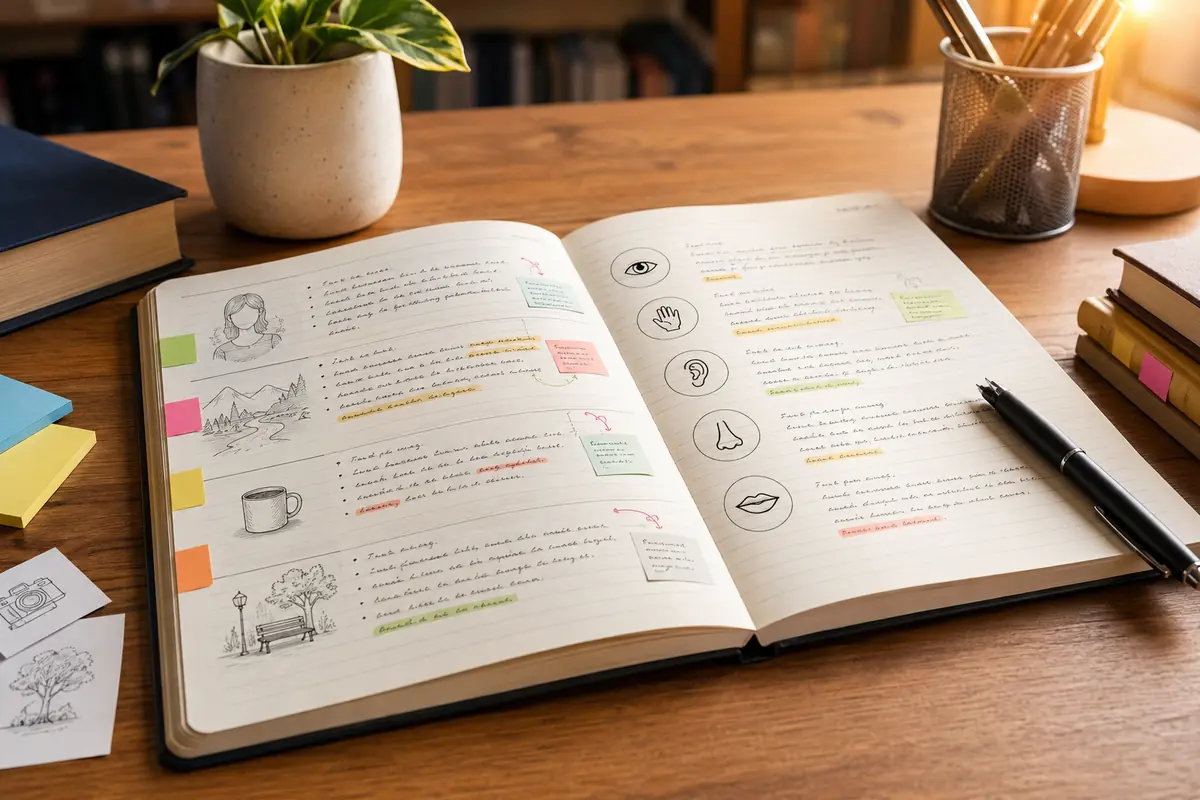
What is descriptive text? Descriptive text is a type of writing that explains how a person, place, object, animal, event, or experience looks, feels, sounds, smells, or behaves. Its main purpose is to help the reader form a clear picture in the mind. Instead of only telling facts, descriptive writing adds details that make the subject easier to imagine and understand.
In simple words, descriptive text answers questions like: What does it look like? How does it feel? What makes it special? Where is it found? Because of this, writers often use descriptive text in school essays, stories, travel writing, product descriptions, reports, and blog articles. It makes writing more lively, clear, and useful for readers.
Why Descriptive Text Is Important
Descriptive text is important because it helps readers connect with the subject. If a writer says, “The garden was beautiful,” the sentence gives a basic idea. However, if the writer describes the red roses, fresh grass, soft sunlight, and quiet path, the reader can imagine the garden more clearly. This stronger picture makes the writing more engaging.
It also improves communication. In education, students use description to explain objects, people, and places. In business, companies use it to describe products and services. In storytelling, authors use it to build scenes and emotions. Therefore, learning what is descriptive text helps writers create content that feels complete and easy to understand.
Main Purpose of Descriptive Text
The main purpose of descriptive text is to describe a subject clearly. The writer does not only name the subject but also explains its features. These features may include size, shape, color, texture, smell, sound, behavior, location, and importance. The goal is to make the reader feel close to the subject.
Another purpose is to create interest. A plain sentence may give information, but a descriptive sentence adds life to it. For example, “The old house stood near the road” is clear. But “The old wooden house stood quietly beside the dusty road, with cracked windows and faded blue paint” gives a stronger image. That is the real value of descriptive writing.
Structure of Descriptive Text
Descriptive text usually has two main parts: identification and description. The identification introduces the subject. It tells the reader what or who will be described. For example, if the text is about a beach, the first part may tell the name of the beach and where it is located.
The description part gives details about the subject. It may explain appearance, qualities, habits, surroundings, or special features. This part should follow a clear order. A writer may describe from general to specific, from top to bottom, from outside to inside, or from the most important feature to the smallest detail.
Key Features of Descriptive Text
One key feature of descriptive text is the use of specific nouns. Instead of writing “thing,” a writer should name the object clearly, such as “wooden table,” “silver watch,” or “mountain village.” Specific words make the description stronger and more exact.
Another important feature is the use of adjectives. Words like bright, narrow, smooth, warm, crowded, peaceful, and colorful help readers understand the subject better. However, writers should not overuse adjectives. Good descriptive writing uses the right details, not too many unnecessary words.
Language Used in Descriptive Text
Descriptive text often uses simple present tense, especially when describing something that generally exists or remains true. For example, “The elephant has large ears,” “The library is quiet,” or “The mountain stands near the village.” This tense helps present the subject clearly.
Writers also use sensory language. Sensory words describe sight, sound, smell, taste, and touch. For example, “soft blanket,” “sweet mango,” “fresh flowers,” “loud thunder,” and “bright moonlight” are sensory details. These words make the text more natural and vivid.
Types of Descriptive Text
There are many types of descriptive text. A writer can describe a person by focusing on appearance, personality, behavior, achievements, or habits. For example, a student may describe a teacher, family member, friend, or famous person.
A writer can also describe a place, object, animal, or event. Place descriptions may include location, atmosphere, buildings, weather, and people. Object descriptions may include size, color, material, use, and value. Animal descriptions may include body features, habitat, food, and behavior. Event descriptions may include time, place, mood, people, and memorable moments.
Example of Descriptive Text About a Place
Here is a simple example of descriptive text about a place:
The school library is a quiet and comfortable room near the main hall. It has tall wooden shelves filled with books, magazines, and study materials. Large windows bring in soft daylight, making the room bright without feeling noisy. Several round tables stand in the center, where students read, write, and complete their assignments.
This example describes the place with clear details. It tells where the library is, what it looks like, and how people use it. A reader can imagine the room because the description includes specific features.
Example of Descriptive Text About a Person
Here is another example:
My grandfather is a calm and kind man with silver hair and gentle eyes. He usually wears a simple white shirt and brown sandals. Every morning, he sits near the front door with a cup of tea and a newspaper. His voice is soft, but his advice always feels strong and meaningful.
This paragraph describes appearance, habits, and personality. It does not list random facts. Instead, it selects details that help the reader understand the person. When learning what is descriptive text, examples like this make the concept easier to understand.
How to Write Descriptive Text
Start by choosing one clear subject. Do not try to describe too many things at once. If your topic is a beach, stay focused on the beach. If your topic is your favorite teacher, focus on that person’s appearance, personality, and behavior.
Next, make a list of important details. Think about what the reader needs to know. Ask yourself: What does the subject look like? What makes it different? How does it feel, sound, or smell? Why is it important? These questions help you collect strong information before writing.
Use the Five Senses
The five senses can make descriptive writing more powerful. Sight helps describe colors, shapes, and size. Sound helps describe noise, silence, music, or movement. Smell helps describe flowers, food, rain, smoke, or fresh air. Touch helps describe texture, temperature, and surface. Taste helps describe food and drinks.
For example, instead of writing “The bakery was nice,” you can write, “The bakery smelled of warm bread and sweet vanilla, while soft music played near the counter.” This sentence gives the reader a fuller experience. It shows why sensory details matter in descriptive text.
Keep the Description Organized
A good descriptive paragraph should not feel messy. If the writer jumps from one detail to another without order, the reader may get confused. Therefore, organization is important. For a place, you can describe from front to back or from outside to inside. For a person, you can begin with appearance, then move to personality and habits.
Clear order makes the writing easier to follow. It also helps the reader build the image step by step. Good descriptive text feels smooth because every detail connects with the main subject.
Common Mistakes to Avoid
One common mistake is using too many general words. Words like nice, good, bad, and beautiful are not always enough. They can work in some cases, but they need support from clear details. Instead of saying “beautiful park,” explain the green grass, clean paths, tall trees, and peaceful benches.
Another mistake is adding details that do not matter. Descriptive writing should be rich, but it should not become overloaded. Every sentence should help the reader understand the subject better. If a detail does not support the main picture, remove it.
Descriptive Text vs Narrative Text
Descriptive text and narrative text are different, although both can appear in the same writing. Descriptive text focuses on describing a subject. Narrative text focuses on telling a story with events, characters, conflict, and sequence.
For example, a descriptive text may explain how a village looks. A narrative text may tell what happened in that village one evening. Understanding this difference helps students choose the right writing style for their assignment.
Descriptive Text in Daily Life
People use descriptive text more often than they realize. When someone describes a phone, a room, a meal, a dress, or a travel destination, they use descriptive language. Online shopping websites also depend on description to explain products clearly.
Bloggers, students, teachers, marketers, and writers all benefit from strong descriptive writing. It helps them present information in a way that readers can understand quickly. That is why learning what is descriptive text is useful beyond the classroom.
Tips to Make Descriptive Text Better
Use exact words instead of vague words. For example, “a small wooden chair” is clearer than “a nice chair.” Also, choose details that match the subject’s purpose. If you describe a restaurant, mention the food, seating, lighting, service, and atmosphere.
Read your paragraph aloud after writing. If it sounds dull, add stronger details. If it sounds too heavy, remove extra words. Good descriptive writing should feel natural, clear, and balanced.
Final Thoughts
What is descriptive text? It is a writing style that helps readers clearly imagine a subject through meaningful details. It describes people, places, objects, animals, events, and experiences using clear language, sensory details, and organized structure.
Descriptive text is useful for students, bloggers, writers, and anyone who wants to explain something more clearly. When written well, it does more than share information. It helps the reader see, feel, and understand the subject in a stronger way.
FAQs
What is descriptive text in simple words?
Descriptive text is writing that describes a person, place, object, animal, or event with clear details.
What is the purpose of descriptive text?
Its purpose is to help readers imagine and understand the subject clearly.
What are the main parts of descriptive text?
The main parts are identification and description. Identification introduces the subject, while description explains its features.
What tense is used in descriptive text?
Simple present tense is commonly used, especially when describing general facts or fixed qualities.
How can I write better descriptive text?
Use specific details, sensory words, clear organization, and avoid unnecessary or vague language.
Also Read on TechCodix
If you are learning writing formats, these guides can help you understand examples and structures more clearly.
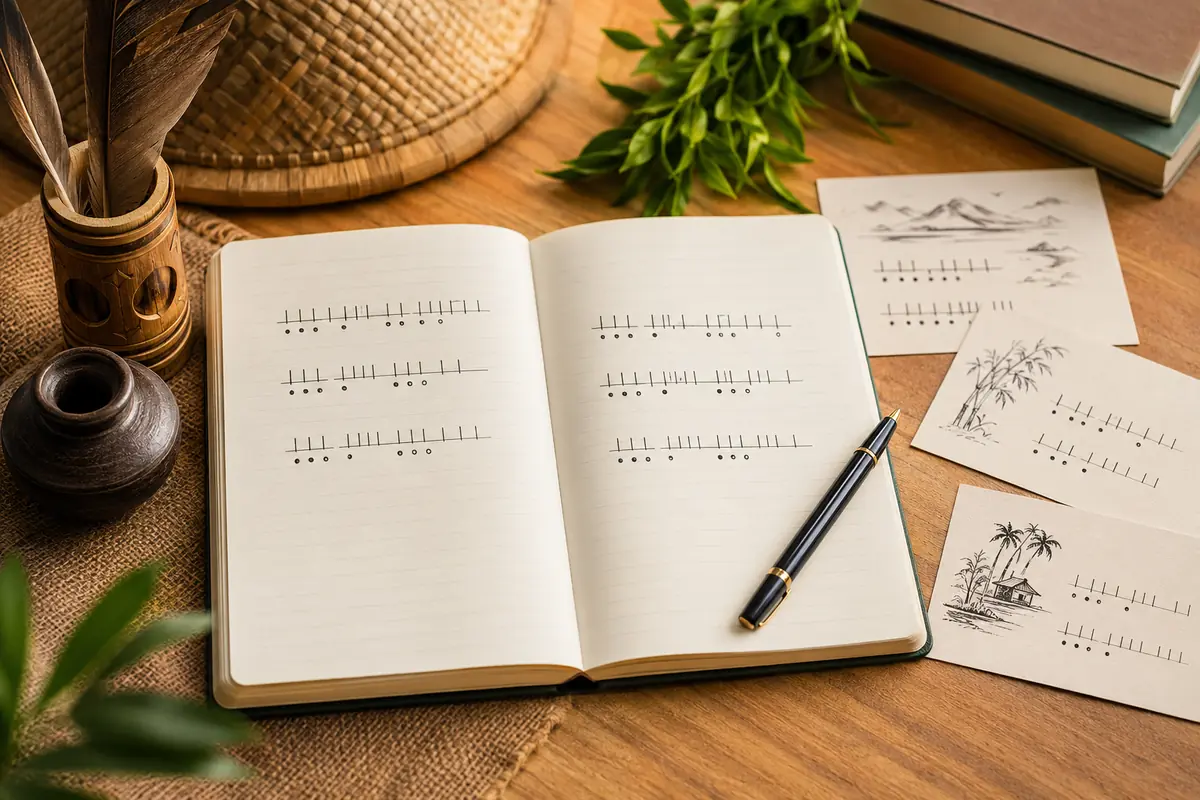
A tanaga is a short Filipino poem that uses a fixed form. It usually has four lines, and each line has seven syllables. Traditional tanaga poems often follow one rhyme sound from beginning to end, which gives the poem a smooth and memorable rhythm. Because of its short length, every word matters. A good tanaga can express love, sadness, wisdom, humor, nature, or a life lesson in only a few lines.
Many students search for a tanaga example because the form looks simple at first, but it needs careful word choice. Unlike free verse, a tanaga follows clear rules. The writer must count syllables, control the rhyme, and still deliver a complete thought. That balance makes the tanaga a beautiful and challenging poetic form.
Why Tanaga Matters in Filipino Literature
The tanaga has deep roots in Filipino culture. Before long printed books and modern media became common, short poems helped people share ideas, emotions, and lessons. Since the tanaga is brief, people could easily remember it and pass it from one person to another. It became a strong way to express wisdom in a compact style.
In Filipino literature, the tanaga also shows how rich and musical local poetry can be. It proves that a poem does not need to be long to feel meaningful. With only four short lines, a poet can describe human feelings, moral values, personal struggle, or the beauty of nature. That is why the tanaga still appears in classrooms, writing activities, and cultural discussions today.
Basic Structure of a Tanaga
The classic tanaga has four lines. Each line contains seven syllables. This means the whole poem usually has twenty-eight syllables. The traditional rhyme scheme is often AAAA, which means all four lines end with the same sound. However, some modern writers also use AABB, ABAB, or ABBA rhyme patterns.
When you study a tanaga example, always check three things: the number of lines, the syllable count, and the rhyme. These parts help separate a true tanaga from a simple short poem. A poem may be beautiful, but if it does not follow the basic structure, it may not fully fit the traditional form.
Main Rules of Writing a Tanaga
The first rule is to keep the poem short. A tanaga should not turn into a long explanation. It should capture one clear feeling, image, or message. Because each line has only seven syllables, the writer must avoid unnecessary words and choose direct language.
The second rule is to keep the rhythm natural. Counting syllables matters, but the poem should still sound smooth when read aloud. If the words feel forced only to meet the syllable count, the tanaga may lose its charm. A strong tanaga feels simple, balanced, and complete.
Tanaga Example About Life
Here is a simple tanaga example about life:
Life moves like quiet rain
Softly touching joy and pain
Hearts may lose, yet rise again
Hope still walks through every lane
This poem uses four lines and carries one message: life includes hardship, but hope remains. The rhyme sound appears in “rain,” “pain,” “again,” and “lane.” Although the poem is short, it gives a complete idea. That is the power of tanaga writing.
Tanaga Example About Nature
A tanaga can also describe nature. Many traditional poems use images like flowers, rivers, wind, mountains, and the moon because these images can carry deeper meanings.
Golden leaves softly fall
Silent winds begin to call
Clouds move past the mountain wall
Evening rests upon us all
This tanaga example focuses on a calm evening scene. It uses natural images to create peace. The poem does not explain too much. Instead, it lets the reader feel the quiet mood through simple details.
Tanaga Example About Love
Love is one of the most common themes in poetry, and tanaga can express it in a gentle way. Since the form is short, the writer must focus on one strong emotion instead of telling a full story.
Your smile lights up my day
Guides my lonely heart to stay
Even clouds drift far away
When your voice begins to play
This poem uses a soft romantic tone. It does not use heavy words, yet it still shows affection. A good love tanaga should feel honest, not overly dramatic. Simple words often work better because they sound more natural.
Tanaga Example About Friendship
Friendship is another strong topic for a tanaga. A short poem can show loyalty, trust, and comfort in only a few lines.
True friends stay when days are gray
They bring light along the way
Even when words fade away
Their kind hearts choose to stay
This tanaga example shares a clear message about dependable friendship. It uses repetition carefully and keeps the feeling warm. The poem reminds readers that real friendship appears most clearly during difficult times.
How to Count Syllables in Tanaga
Syllable counting is one of the most important parts of writing tanaga. Each line should have seven syllables. A syllable is a sound unit in a word. For example, “flower” can have two syllables depending on pronunciation, while “rain” has one syllable.
Before finalizing your poem, read each line aloud. Clap or tap as you speak each syllable. This makes it easier to hear the rhythm. If one line feels too long, remove extra words. If one line feels too short, add a meaningful word instead of adding filler.
Choosing the Right Theme
A tanaga works best when the theme is focused. Do not try to discuss too many ideas at once. Choose one main subject, such as love, family, school, nature, courage, sadness, or hope. Then build every line around that subject.
For example, if your theme is courage, you can use images like storms, darkness, climbing, or standing tall. If your theme is peace, you can use images like moonlight, rivers, soft wind, or morning skies. Strong images help the poem feel alive.
Tips for Writing a Good Tanaga
Start with a simple idea. Ask yourself what message you want the reader to remember. After that, write one sentence about that idea. Then break it into four short lines. This method helps you avoid confusion and keeps the poem focused.
Next, improve the rhyme and rhythm. Replace weak words with stronger ones. Remove words that do not add meaning. A tanaga should feel clean and direct. Since the poem is short, every word should earn its place.
Common Mistakes to Avoid
One common mistake is ignoring the syllable count. Some writers create four lines but forget that each line should have seven syllables. This can make the poem feel uneven. Always check the count before calling it a finished tanaga.
Another mistake is forcing rhyme too much. Rhyme should support the poem, not damage its meaning. If a rhyme sounds strange or unnatural, choose a different word. A clear message is more important than a perfect but awkward rhyme.
Why Students Learn Tanaga
Students often learn tanaga because it teaches discipline in writing. The form has limits, so students must think carefully about word choice, rhythm, and meaning. This helps improve both creative writing and language skills.
Tanaga also introduces students to Filipino literary tradition. Through this form, they can understand how culture, emotion, and wisdom can appear in a few short lines. It is a helpful way to connect creativity with heritage.
Final Thoughts
A tanaga may look small, but it carries a lot of meaning when written well. Its four-line structure teaches writers how to be clear, creative, and thoughtful at the same time. Whether the topic is love, nature, friendship, or life, the poem should deliver one strong idea with simple beauty.
If you are learning this form, start with one clear tanaga example, study its syllables and rhyme, then try writing your own. With practice, you can create short poems that feel natural, meaningful, and memorable.
FAQs
What is a tanaga?
A tanaga is a short Filipino poem with four lines. Traditionally, each line has seven syllables and follows a rhyme pattern.
How many lines does a tanaga have?
A tanaga has four lines. Each line usually contains seven syllables.
What is the common rhyme scheme of tanaga?
The traditional rhyme scheme is AAAA, but modern tanaga poems may also use AABB, ABAB, or ABBA.
What topics can I use for tanaga?
You can write a tanaga about love, life, nature, family, friendship, hope, sadness, or personal lessons.
Is tanaga hard to write?
It can be challenging at first because of the syllable count and rhyme. However, with practice, it becomes easier and more enjoyable.
Also Read on TechCodix
If you found this guide helpful, you may also like these related articles:

A sigma female is often described as an independent, self-aware woman who does not rely on social approval to define her worth. She may enjoy people, friendships, relationships, and success, but she does not shape her identity around popularity or outside validation. Her personality is quiet in some moments and powerful in others, because she usually knows what she wants and moves at her own pace.
Unlike people who constantly need attention, the sigma female feels comfortable being different. She does not always follow group trends, and she rarely forces herself into spaces where she feels misunderstood. This does not mean she is cold or rude. In many cases, she is thoughtful, observant, and deeply selective about where she gives her energy.
The Core Personality
The core of this personality is self-direction. A sigma female tends to make decisions based on her values, not pressure. She may listen to advice, but she does not blindly follow people just because they are loud, popular, or socially powerful. This makes her appear mysterious, especially to those who expect everyone to fit into a fixed role.
She often has a calm confidence that does not need much announcement. Instead of proving herself through constant talking, she lets her actions speak. She may be ambitious, creative, private, emotionally intelligent, and highly focused. Because of this, people often notice her even when she is not trying to be noticed.
Independence and Self-Respect
One of the strongest traits of a sigma female is independence. She can enjoy companionship, but she does not depend on others to feel complete. She can spend time alone without feeling lonely, and she often uses that time to think, create, learn, or rebuild her energy. This gives her a strong inner foundation.
Her self-respect also shapes her boundaries. She does not usually chase people who ignore her, disrespect her, or treat her as an option. When something feels unhealthy, she can step back quietly. She may not explain herself again and again because she believes peace matters more than proving a point.
How She Handles Relationships
In relationships, a sigma female values depth over attention. She is not impressed by empty compliments, fake charm, or surface-level romance. Instead, she looks for honesty, emotional maturity, loyalty, and consistency. She wants a connection where both people can grow without controlling each other.
She may take time to open up because trust matters to her. Once she feels safe, she can be warm, loyal, and deeply supportive. However, she usually dislikes clinginess, manipulation, and drama. A healthy relationship with her often needs patience, respect, and space.
Social Life and Friendships
A sigma female is not always antisocial, but she is selective. She may have a small circle instead of a large crowd. She prefers people who are real, kind, and emotionally steady. Loud social scenes may not attract her unless there is a purpose or genuine connection behind them.
Her friendships are usually based on quality. She may not talk every day, yet she still cares deeply for the people she trusts. She notices details, remembers meaningful conversations, and supports others in practical ways. Still, she will not keep one-sided friendships for long.
Confidence Without Noise
Many people mistake confidence for being loud, dominant, or always visible. The sigma female shows another kind of confidence. She does not need to compete for every room’s attention. Her strength often appears in the way she stays calm, makes thoughtful choices, and refuses to lower her standards for acceptance.
This quiet confidence can make her attractive and respected. People may feel curious about her because she does not reveal everything at once. She carries herself with control, and that control often comes from knowing herself well.
Work, Goals, and Ambition
In career and personal goals, a sigma female often works best when she has freedom. She may dislike micromanagement, office politics, or environments where image matters more than skill. She prefers meaningful work, clear goals, and space to perform without unnecessary drama.
Her ambition is not always loud, but it is steady. She may build slowly, improve privately, and surprise people with the results. Because she is self-motivated, she does not always need praise to keep going. However, she still values respect and fair recognition.
Emotional Intelligence
A strong part of this personality is emotional awareness. A sigma female often understands her feelings well, even if she does not share them with everyone. She may process emotions quietly before speaking. This helps her avoid unnecessary conflict and make better decisions.
She can also read people carefully. She may notice when someone is being fake, insecure, controlling, or dishonest. Because of this, she can seem hard to fool. Her silence does not always mean she missed something. Often, it means she is observing before deciding how much access someone deserves.
Common Misunderstandings
Some people may call her distant, difficult, or too private. In reality, she may simply protect her peace. She is not trying to be better than others. She just does not want to live by rules that do not fit her values. This can confuse people who expect constant approval-seeking behavior.
Another misunderstanding is that she does not need anyone. She can love deeply and care sincerely, but she does not want dependence to replace connection. She wants people in her life by choice, not fear. That difference matters.
Strengths of This Personality
A sigma female often has strong self-control, independence, honesty, and personal vision. She can walk away from toxic situations, rebuild herself after setbacks, and focus on long-term growth. She is usually not easily influenced by gossip, pressure, or fake popularity.
Her strength also comes from balance. She can be soft without being weak and private without being cold. She may support others, but she does not lose herself in the process. That is one reason many people admire this personality type.
Challenges She May Face
Even strong personalities have challenges. A sigma female may sometimes struggle with asking for help because she is used to handling things alone. She may also cut people off quickly when she feels disappointed. While boundaries are healthy, complete emotional walls can make deep connection harder.
She may also feel misunderstood in social spaces. Since she does not always explain her thoughts openly, people may create false ideas about her. Learning when to communicate clearly can help her protect her peace while still building meaningful relationships.
Sigma Female vs Alpha Female
An alpha female is often seen as socially dominant, visible, and comfortable leading from the front. A sigma female, on the other hand, may lead without needing the spotlight. She can be powerful, but her power is usually more private and self-contained.
Both personalities can be confident and successful. The main difference is how they move through the world. The alpha may influence through presence and leadership, while the sigma may influence through independence, mystery, and quiet strength.
Why People Are Drawn to Her
People are often drawn to this personality because it feels rare. She does not beg for attention, and that makes her presence more interesting. She may have strong opinions, unique style, private goals, or a calm way of speaking that makes others want to understand her better.
Her mystery is not always planned. It comes from the fact that she does not share everything with everyone. She reveals herself slowly, and only to people who earn her trust. That makes her relationships feel more intentional and meaningful.
How to Develop This Mindset
Anyone who connects with the idea of a sigma female can develop similar habits. Start by learning your values, setting healthy boundaries, and spending time alone without fear. Build confidence through action, not outside approval. Choose your circle carefully and protect your energy from unnecessary drama.
It is also important to stay open. Independence should not become isolation. Strength should not become emotional distance. The healthiest version of this personality knows how to stand alone, but also knows how to accept love, support, and honest connection.
Final Thoughts
The sigma female personality is built around independence, self-respect, emotional depth, and quiet confidence. She does not need to fit into every social group, and she does not measure her worth by attention. Instead, she creates her own path and protects her peace with intention.
This personality stands out because it feels calm, focused, and deeply self-aware. She can be loving, ambitious, private, and powerful at the same time. In a world that often rewards noise, her quiet strength becomes her signature.
FAQs
What is a sigma female?
A sigma female is an independent, self-aware woman who values freedom, privacy, and personal standards over social approval.
Is a sigma female shy?
Not always. She may be quiet or private, but that does not mean she lacks confidence. Many simply choose when and where to speak.
Can a sigma female be in a relationship?
Yes. She can be loyal and loving, but she needs honesty, respect, trust, and personal space in a relationship.
Why is a sigma female attractive?
People often find her attractive because she is confident without being desperate for attention. Her independence and mystery make her stand out.
Is sigma female better than alpha female?
No personality type is better. A sigma female and an alpha female simply express confidence and strength in different ways.
-

 Automotive1 week ago
Ironmartonline Reviews: Is This Equipment Broker Legit?
-

 Technology1 week ago
What Is qilszoxpuz7.4.0.8 Bankroll? A Clear Guide for Readers
-

 Technology6 days ago
CSS Padding: A Practical Guide to Spacing Inside Elements
-

 Healthcare1 week ago
Is Zealpozold Safe? Complete Safety Guide Before You Use It
-

 Crypto1 week ago
Rndcoin KR: What It Means, How It Works, and What Users Should Know
-

 Technology5 days ago
Details of GDTJ45 Builder Software: Complete Guide for Safe Use, Features, and Setup
-

 Technology6 days ago
Python Sort List: A Clear Guide to Sorting Lists in Python
-

 Technology5 days ago
Best Weather Apps for iPhone: Accurate Forecasts, Radar, Alerts, and Daily Planning